For millions of video game enthusiasts worldwide, the single biggest question hanging over Nintendo's upcoming next-generation console has finally received an official answer. Speaking directly to investors and fans during the Corporate Management Policy Briefing on 6 November 2026, Nintendo President Shuntaro Furukawa confirmed that the successor to the Nintendo Switch will feature backward compatibility with existing Nintendo Switch software. In addition, the company's lucrative subscription service, Nintendo Switch Online, will transfer directly to the new hardware platform without interruption.
GAMING HARDWARE • SPECIAL EDITION REVEAL • 6 min read
Microsoft has never shied away from eccentric promotional hardware stunts, but its latest creation scales entirely new heights of creature craftsmanship. Teaming up with renowned Hollywood creature animatronics house John Nolan Studio, Xbox has officially unveiled the Xbox Series X-BITE (popularly known as the X-Bite). Measuring more than five feet in length from snout to tail tip, this hyper-realistic alligator sculpture is not merely a display dummy. It houses an authentic, fully functional Xbox Series X embedded directly into its dorsal spine, glowing with iconic emerald illumination.
Quick Answer: MediaTek Dimensity 9600 Pro edges out Qualcomm Snapdragon 8 Elite Gen 5 in synthetic AnTuTu scores thanks to TSMC's 2nm lithography and UFS 5.0 memory. However, for Indian gamers facing 38°C ambient heat, Qualcomm's custom 4.74 GHz Oryon architecture and Adreno driver stability provide flatter frame rates and superior sustained gaming in BGMI.
Published: 25 October 2026. Last updated: 25 October 2026. Checked against Qualcomm technical whitepapers, MediaTek official launch documentation, and verified Geekbench 6 database runs.
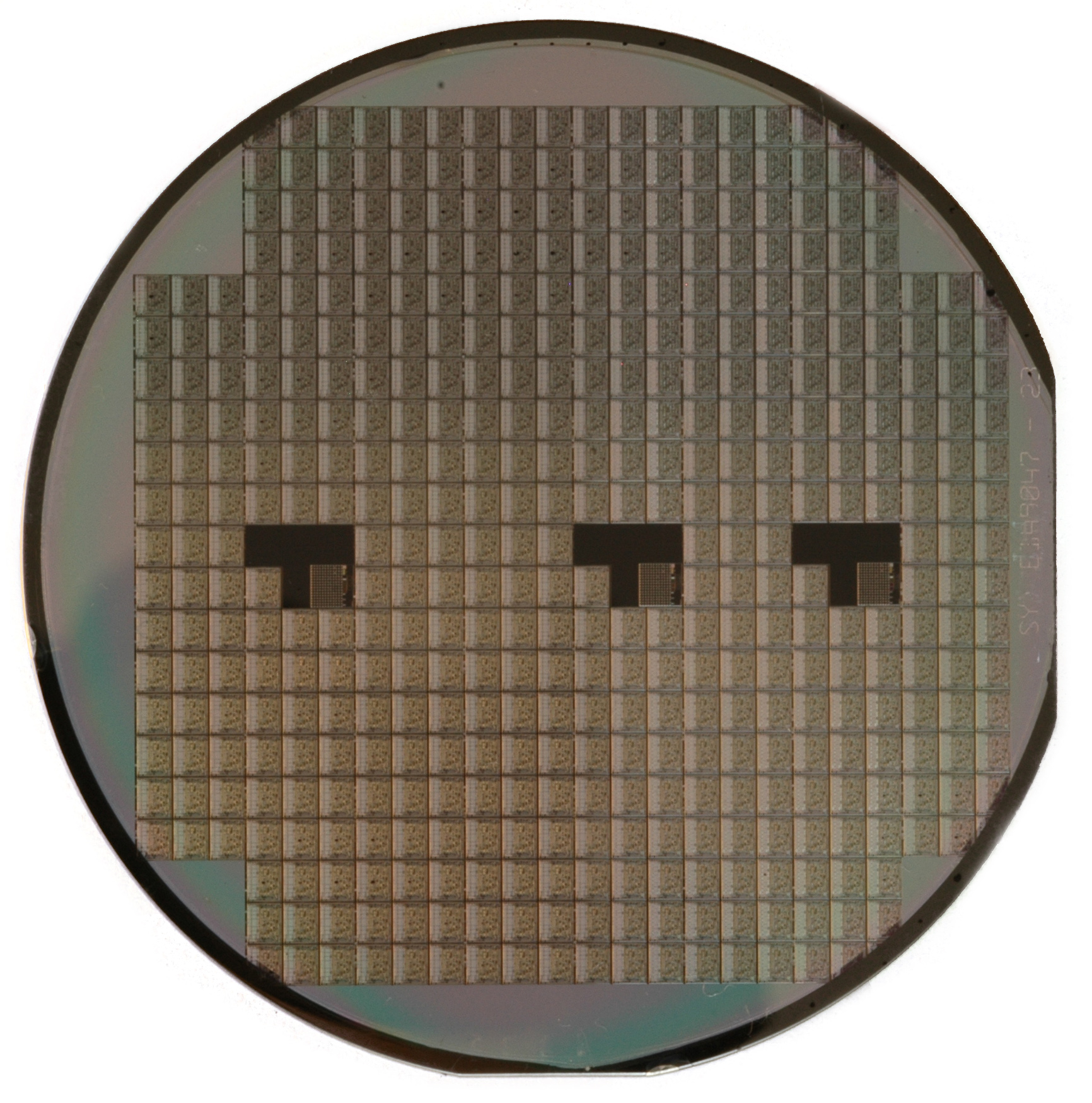
Advanced semiconductor lithography has split the 2026 flagship tier between TSMC 3nm and 2nm fabrication. Photo via Wikimedia Commons (CC BY-SA 3.0).
The annual battle for mobile silicon supremacy has taken an unusual turn in late 2026. For the first time in a decade, Qualcomm and MediaTek have chosen entirely different semiconductor manufacturing nodes and architectural philosophies for their flagship platforms.
Qualcomm has doubled down on TSMC's refined 3nm N3P node with custom 3rd-generation Oryon CPU cores reaching 4.74 GHz. Meanwhile, MediaTek secured priority allocation on TSMC's next-generation 2nm N2P process, combining eight large ARM Cortex cores with native LPDDR6 memory support. For smartphone buyers in India preparing for the upcoming wave of high-end releases, choosing between these two chips involves weighing synthetic benchmark peaks against sustained thermal stability in our demanding climate.