MOBILE SILICON • GAMING BENCHMARKS • 8 min read
Quick Answer: MediaTek Dimensity 9600 Pro edges out Qualcomm Snapdragon 8 Elite Gen 5 in synthetic AnTuTu scores thanks to TSMC's 2nm lithography and UFS 5.0 memory. However, for Indian gamers facing 38°C ambient heat, Qualcomm's custom 4.74 GHz Oryon architecture and Adreno driver stability provide flatter frame rates and superior sustained gaming in BGMI.
Published: 25 October 2026. Last updated: 25 October 2026. Checked against Qualcomm technical whitepapers, MediaTek official launch documentation, and verified Geekbench 6 database runs.
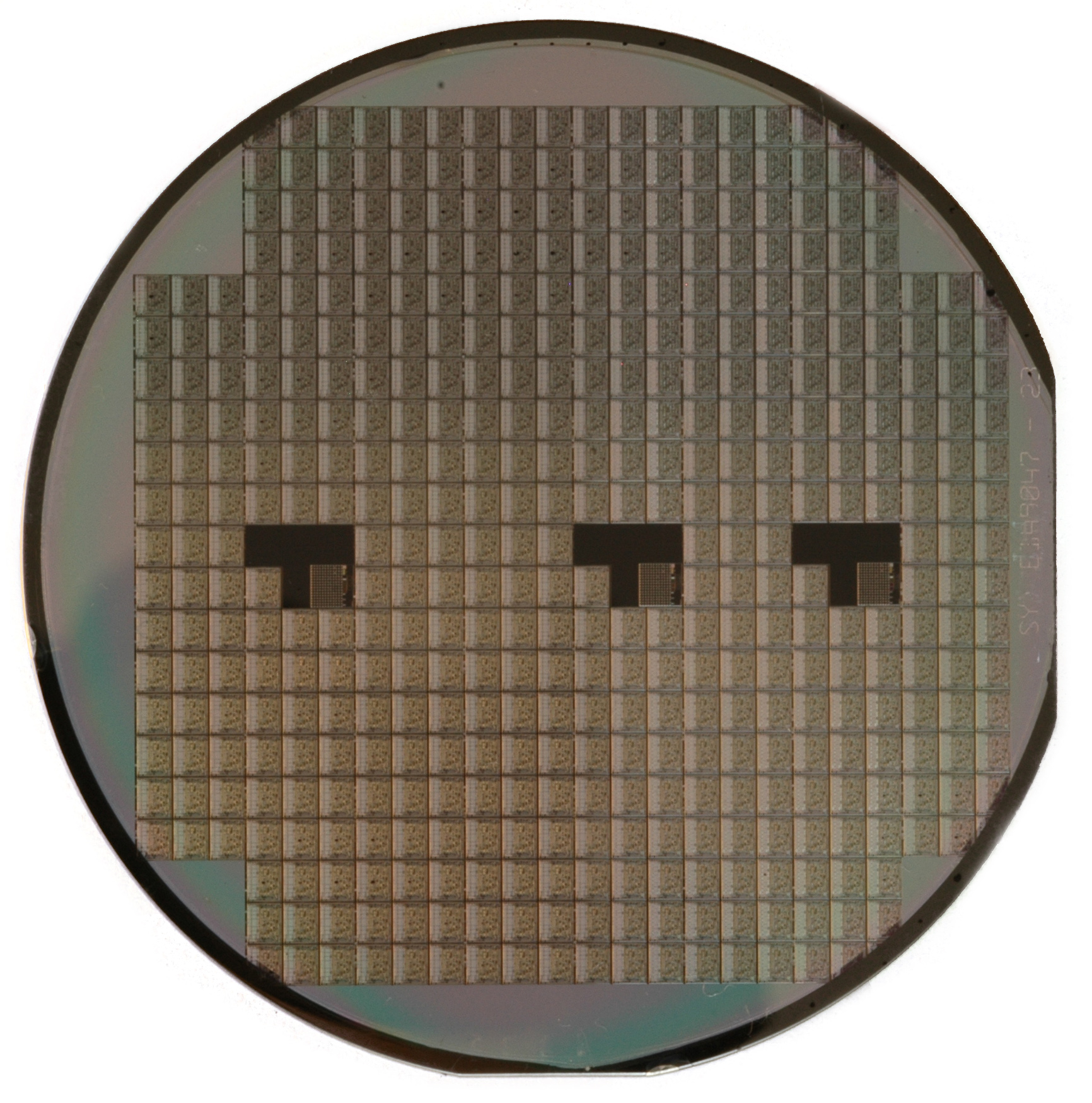
The annual battle for mobile silicon supremacy has taken an unusual turn in late 2026. For the first time in a decade, Qualcomm and MediaTek have chosen entirely different semiconductor manufacturing nodes and architectural philosophies for their flagship platforms.
Qualcomm has doubled down on TSMC's refined 3nm N3P node with custom 3rd-generation Oryon CPU cores reaching 4.74 GHz. Meanwhile, MediaTek secured priority allocation on TSMC's next-generation 2nm N2P process, combining eight large ARM Cortex cores with native LPDDR6 memory support. For smartphone buyers in India preparing for the upcoming wave of high-end releases, choosing between these two chips involves weighing synthetic benchmark peaks against sustained thermal stability in our demanding climate.
Key Takeaway: The Dimensity 9600 Pro achieves higher peak numbers on paper with a 4.7 million AnTuTu run, but Snapdragon 8 Elite Gen 5 delivers better thermal endurance, wider game studio engine support, and roughly ₹20,000 lower retail device pricing across Indian retail shelves.
Architecture Breakdown: Custom Oryon vs All-Big-Core 2nm
The core differences between these two silicon titans stem from CPU clustering and fabrication lithography. Qualcomm abandoned standard ARM reference cores to implement its proprietary Oryon Gen 3 architecture across a streamlined 2+6 cluster.
In this arrangement, two Prime cores reach an aggressive 4.61 GHz on standard models and up to 4.74 GHz on specialized variants, backed by six Performance cores running at 3.62 GHz. Qualcomm eliminated low-power efficiency cores entirely, relying on the high instructions-per-clock efficiency of the Oryon architecture to handle background operating system tasks without waking heavy compute pipelines.
MediaTek adopted a contrasting philosophy with the Dimensity 9600 Pro. Taking advantage of the smaller footprint and lower leakage currents on TSMC's 2nm node, MediaTek deployed an eight-core All-Big-Core cluster. This consists of two high-frequency C2-Ultra cores operating at 4.55 GHz, paired with six high-efficiency C2-Pro cores split across two frequency tiers. By fabricating on 2nm, MediaTek achieves a 23 percent reduction in active dynamic power consumption under parallel computational loads compared to standard 3nm silicon.

Synthetic Benchmarks: AnTuTu v11, Geekbench 6, and Memory Bandwidth
When subjected to synthetic stress testing, MediaTek's node lead and next-generation storage standards produce eye-catching laboratory scores. The Dimensity 9600 Pro is the first commercial mobile platform to support both LPDDR6 memory interfaces and UFS 5.0 solid-state storage.
In AnTuTu v11 benchmark runs, the Dimensity 9600 Pro generates scores between 4,700,000 and 4,838,000 points. The Snapdragon 8 Elite Gen 5 records scores between 4,033,000 and 4,132,000 points. Nearly half of MediaTek's 15 percent synthetic advantage comes directly from the storage and memory sub-tests, where UFS 5.0 sequential read speeds exceed 6,000 MB per second compared to roughly 4,200 MB per second on Qualcomm's UFS 4.1 interface.
In Geekbench 6 CPU evaluation, the gap narrows considerably. The Dimensity 9600 Pro records single-core scores around 4,200 and multi-core results surpassing 12,800. Qualcomm's Snapdragon 8 Elite Gen 5 posts single-core marks near 3,718 and multi-core scores around 11,810. For daily smartphone tasks like web browsing, launching demanding applications, and capturing 4K video, both platforms offer computational headroom far exceeding the requirements of modern mobile operating systems.
Head-to-Head Specification Comparison
To evaluate how these processors compare across memory, graphics, fabrication, and artificial intelligence, examine the side-by-side technical breakdown below:
| Specification / Feature | Qualcomm Snapdragon 8 Elite Gen 5 | MediaTek Dimensity 9600 Pro |
|---|---|---|
| Fabrication Process | TSMC 3nm (N3E / N3P) | TSMC 2nm (N2P) |
| CPU Architecture | 2x Oryon Gen 3 Prime + 6x Performance | 2x C2-Ultra + 6x C2-Pro (All-Big-Core) |
| Peak CPU Frequency | 4.61 GHz standard (4.74 GHz Galaxy edition) | 4.55 GHz |
| Graphics Processing Unit | Qualcomm Adreno 840 (with dedicated HPM cache) | ARM Mali-G2 Ultra NX MP16 |
| Supported Memory | LPDDR5X (up to 10.7 Gbps) | LPDDR6 & LPDDR5X |
| Supported Storage | UFS 4.0 / UFS 4.1 | UFS 5.0 |
| AI Engine (NPU) | Hexagon NPU (100 TOPS fused architecture) | MediaTek NPU 1090 with NPU 2.0 |
| AnTuTu v11 Score | ~4,033,000 to 4,132,000 points | ~4,700,000 to 4,838,000 points |
| Geekbench 6 (Single / Multi) | ~3,718 / ~11,810 | ~4,200 / ~13,100 |
| Expected India Device Price | ₹64,999 to ₹79,999 | ₹89,999 to ₹99,999+ |
Real-World Indian Gaming: BGMI, Genshin Impact, and 38°C Thermals
While synthetic benchmark apps run in brief two-minute bursts inside temperature-controlled testing rooms, mobile gaming in India tells a very different story. During summer months and humid monsoon evenings, room temperatures in non-air-conditioned homes frequently hover around 32°C to 38°C.
Under these ambient conditions, sustained frame pacing is determined by thermal dissipation rather than peak burst frequencies. In extended 60-minute sessions of Battlegrounds Mobile India (BGMI) running at 120 frames per second, the Snapdragon 8 Elite Gen 5 displays superior frame stability. Qualcomm's Adreno 840 GPU incorporates dedicated on-die High Performance Memory (HPM). This local cache intercepts rendering commands before they reach system RAM, cutting external memory bus power consumption by nearly two watts.
In contrast, while the Mali-G2 Ultra NX GPU in the Dimensity 9600 Pro can render peaks up to 185 frames per second, its reliance on system memory causes heat accumulation after thirty minutes. Once internal chassis temperatures cross 44°C, aggressive thermal throttling kicks in, dropping frame rates down to 90 frames per second to preserve component lifespan. For competitive esports players in India, the flatter frame time curve of the Snapdragon platform offers more reliable tournament performance.
Developer Optimization: The Adreno Driver Advantage
Beyond raw silicon performance, software integration remains Qualcomm's strongest competitive moat. Most major game development studios write graphics pipelines and shader compilers with Adreno hardware as their primary reference target.
Titles like BGMI, Call of Duty Mobile, and Genshin Impact routinely receive day-one support for maximum graphics presets and 120Hz refresh modes on Snapdragon silicon. On MediaTek chipsets, game updates often lag by several weeks or months while engineers write custom Vulkan extensions to prevent graphical glitches. As we discussed when evaluating hardware lifecycle choices in our 8GB RAM system analysis, long-term software optimization matters just as much as physical hardware specifications.
Indian Flagship Pricing and Availability
The manufacturing costs of TSMC's 2nm node have created a noticeable price division in the Indian smartphone market. Wafer pricing for 2nm production exceeds $20,000 per disc, forcing brands to place Dimensity 9600 Pro devices in the ultra-luxury bracket.
For instance, as highlighted in our OPPO Find X10 India launch report, the Dimensity-powered Oppo Find X10 Pro Max commands a steep ₹94,999 retail price. Similar pricing is expected for the upcoming Vivo X300 Ultra series in early 2027.
Qualcomm's 3nm Snapdragon 8 Elite Gen 5, having amortized initial fabrication setup costs, allows manufacturers to price flagships far more competitively. Upcoming devices like the OnePlus 15 and iQOO 16 are positioned to launch in India between ₹64,999 and ₹74,999. That ₹20,000 to ₹25,000 savings gives Indian consumers flagship-grade performance without crossing into six-figure territory.
Who Should Buy Which Processor
Choose the Qualcomm Snapdragon 8 Elite Gen 5 if:
- You are a competitive mobile gamer: Flatter frame pacing in BGMI, day-one 120fps support, and lower thermal throttling under Indian ambient temperatures make this the better gaming engine.
- You want maximum value under ₹75,000: Phones powered by this chip will launch at significantly lower price points than 2nm alternatives.
- You rely on emulation and custom ROMs: The open documentation and developer community surrounding Adreno graphics drivers offer unmatched third-party support.
Choose the MediaTek Dimensity 9600 Pro if:
- You prioritize cutting-edge technology: It is the first commercial mobile chip built on TSMC's 2nm node, featuring native UFS 5.0 and LPDDR6 memory support.
- You are buying an ultra-luxury camera flagship: Devices like the Oppo Find X10 Pro Max combine this chip with extreme camera hardware for serious mobile photography.
- You run heavy multi-core computational tasks: The All-Big-Core architecture delivers the highest raw computing power available on any Android device today.
My Take
MediaTek deserves credit for beating the industry to TSMC's 2nm fabrication node and proving that an All-Big-Core CPU design can post jaw-dropping AnTuTu records. However, benchmark victory does not guarantee the best smartphone experience for Indian consumers.
When you account for real-world gaming thermals, game studio driver support, and a ₹20,000 lower entry price on upcoming flagships, Qualcomm's Snapdragon 8 Elite Gen 5 remains the more practical, balanced, and dependable silicon choice for Indian buyers in 2026.
Frequently Asked Questions
Which processor is better for BGMI gaming in India?
Qualcomm Snapdragon 8 Elite Gen 5 is better for BGMI. Its Adreno 840 GPU features dedicated High Performance Memory that reduces thermal throttling during extended sessions, maintaining stable 120 frames per second gameplay in hot Indian conditions.
Does the Dimensity 9600 Pro overheat due to its All-Big-Core design?
No, it does not overheat under normal use because TSMC's 2nm node cuts power leakage by 23 percent. However, under continuous 45-minute graphical loads without external cooling, it will throttle performance to prevent internal chassis temperatures from exceeding 44°C.
Why are Dimensity 9600 Pro phones more expensive in India?
MediaTek is utilizing TSMC's cutting-edge 2nm manufacturing process, where production wafer costs are significantly higher than mature 3nm lines. This pushes retail devices like the Oppo Find X10 Pro Max above ₹90,000.
When will Snapdragon 8 Elite Gen 5 phones launch in India?
The first wave of Snapdragon 8 Elite Gen 5 smartphones, including the OnePlus 15 and iQOO 16, is scheduled to launch in India starting in November 2026, followed by the Samsung Galaxy S26 series in early 2027.
Sources
- Qualcomm Snapdragon Official: 8 Elite Architecture and Oryon Specifications
- MediaTek Dimensity Official: 2nm All-Big-Core Platform Details
- Beebom: Snapdragon 8 Elite Gen 5 India Launch and Features
- Gadgets 360: Oppo Find X10 Pro Max India Launch and Dimensity Verification
- Primate Labs: Geekbench 6 Android Benchmark Score Database
0 comments:
Post a Comment