TELECOM • CONSUMER GUIDE • 6 min read
Quick Answer: TRAI's 13th Amendment regulations now legally require Reliance Jio, Bharti Airtel, and Vodafone Idea to offer prepaid plans with true 30-day and same-date calendar monthly validity. Telcos must also provide standalone voice-and-SMS packs with reduced tariffs. This eliminates the forced 13th annual recharge and saves secondary SIM users substantial money.
Last updated: 24 October 2026. Verified with TRAI gazette notifications and live carrier recharge catalogs.

For more than a decade, Indian mobile subscribers have dealt with an irritating mathematical trick: the 28-day prepaid validity cycle. While telecom operators advertised these plans as monthly recharges, a year contains 365 days, whereas twelve 28-day cycles cover only 336 days. That subtle 29-day gap forced every prepaid customer to buy a 13th recharge every single year.
That deceptive cycle is now facing strict regulatory enforcement. Under the Telecom Consumers Protection (Thirteenth Amendment) Regulations, the Telecom Regulatory Authority of India (TRAI) has mandated that all telecom service providers must offer genuine 30-day validity options, same-date monthly renewals, and standalone voice-and-SMS vouchers. Here is what has changed, how much money you can save, and where to find these plans.
Key Takeaway: You are no longer legally required to purchase unwanted daily mobile data just to keep your mobile number active. Operators must now offer voice-and-SMS-only vouchers with an appropriate price cut, as well as recharge packs that renew on the exact same calendar date each month.
What TRAI's 13th Amendment Actually Mandates
The updated regulations introduce three binding consumer protections that directly dismantle the artificial 28-day recharge cycle:
- Mandatory 30-Day Special Tariff Vouchers (STVs): Telecom operators must offer at least one tariff voucher with a validity of exactly 30 days for every validity bracket they currently provide under 30 days.
- Same-Date Monthly Renewal Plans: Telcos must provide at least one plan voucher and one special tariff voucher that renews on the exact same date of every calendar month. If you recharge on 5 November, your next renewal will be on 5 December, regardless of whether November has 30 days or October has 31.
- Standalone Voice-and-SMS Vouchers: Providers are strictly forbidden from forcing subscribers to pay for bundled mobile data. Operators must offer standalone voice-and-SMS packs with a corresponding tariff reduction reflecting the absence of data services.
- Proportional Long-Term Packs: In addition to monthly options, carriers must offer at least one longer-validity standalone voice voucher corresponding to longer bundled durations in the market.
The 28-Day Trap: How Carriers Extracted a 13th Month
To understand why this regulatory shift matters, consider how the 28-day cycle affected your household budget:
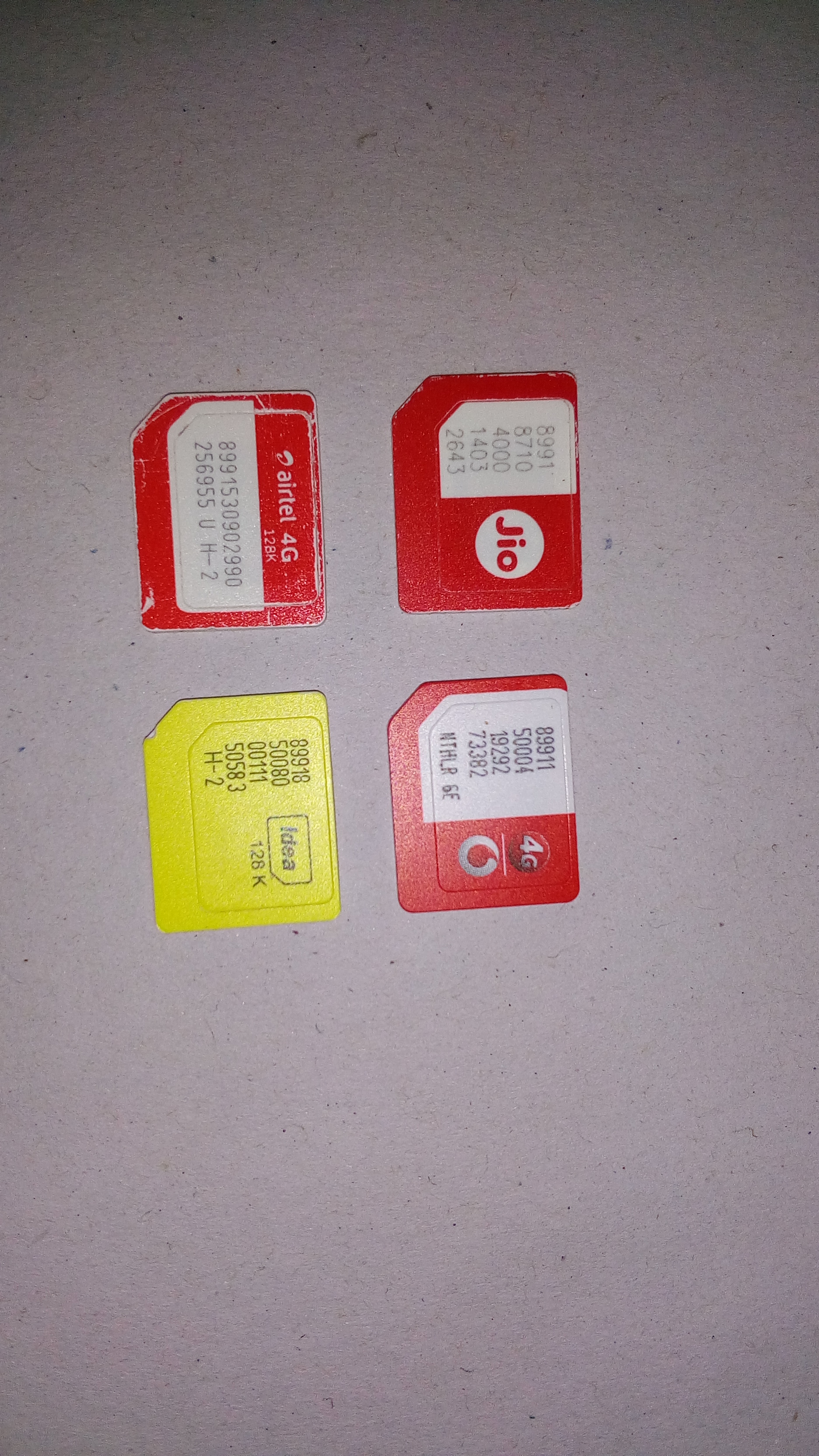
When you purchase a standard 28-day plan costing approximately 299 rupees, you must recharge 13 times across 52 weeks to maintain continuous service. Across a year, you spend roughly 3,887 rupees on prepaid connectivity.
Under a genuine calendar-month renewal plan, you recharge exactly 12 times a year. Even if the individual 30-day voucher is priced slightly higher to account for the extra two days, eliminating the phantom 13th billing cycle reduces annual overhead, streamlines bill tracking, and prevents unplanned service interruptions.
Massive Relief for Secondary SIMs and Senior Citizens
The biggest winners of the 13th Amendment are not heavy mobile data users, but households with secondary SIM cards, feature phones, or elderly family members. Until now, maintaining an active secondary number for bank OTPs or incoming family calls required purchasing standard bundled packs containing 1.5GB or 2GB of high-speed data per day.
Millions of consumers paid for gigabytes of cellular bandwidth they never touched simply to prevent their SIM cards from being deactivated. Under TRAI's standalone voice rules, operators must offer affordable packs dedicated purely to unlimited calling and SMS. For a user switching from a 299 rupee daily data bundle to a 149 rupee standalone voice voucher, the annual savings exceed 1,800 rupees per line.
Comparison: Old 28-Day Bundles vs New TRAI Compliant Plans
| Plan Attribute | Legacy 28-Day Pack | New 30-Day STV | Same-Date Calendar Pack | Voice & SMS Only Pack |
|---|---|---|---|---|
| Validity Duration | Strictly 28 days | Strictly 30 days | Same date each month | 30 days / Calendar month |
| Recharges Per Year | 13 recharges | 12.1 recharges | Exactly 12 recharges | Exactly 12 recharges |
| Mobile Data Included | Compulsory 1GB to 2GB/day | Optional or bundled | Optional or bundled | Zero data (No forced cost) |
| Ideal Audience | Primary daily smartphone users | Users wanting standard cycles | Salaried / monthly budgeters | Secondary SIMs & senior citizens |
| Cost Efficiency | Lowest (13th month penalty) | High | Highest for budgeting | Maximum savings on non-data SIMs |
How to Find These Hidden Plans in Carrier Apps
While Reliance Jio, Bharti Airtel, and Vodafone Idea are legally required to offer these vouchers, they rarely promote them on their application home screens. Telecom companies actively prioritize high-margin daily data plans. Here is how to find compliant options:
- In the MyJio App: Open the recharge menu and navigate past the Popular Plans tab. Scroll horizontally across the top category carousel to find Others or Value. Look for plans explicitly tagged as Calendar Month or Value Vouchers.
- In the Airtel Thanks App: Open the recharge section and bypass the Recommended for You recommendations. Scroll to the Others tab or search specifically under Talktime & Validity.
- In the Vi App: Navigate to the full plan directory. Avoid the Hero Unlimited tab and inspect the Others or Combo / Validity tabs to locate voice-primary recharges.
- Third-Party Portals: When using Google Pay, PhonePe, or Paytm, avoid clicking the default suggested packs. Tap on View All Plans and select the Special Tariff Vouchers or Validity category to inspect explicit validity counts before paying.
My Take
First, TRAI's regulatory intervention was overdue. The 28-day cycle was an anti-consumer accounting trick that exploited everyday confusion to inflate average revenue per user without delivering meaningful value.
Second, consumer awareness is the real battlefield. Regulations mean little if telcos bury compliant plans beneath four layers of application navigation. Every subscriber should audit their family phone bills, migrate secondary numbers to voice-only vouchers, and refuse to pay for unused daily data.
Third, monthly budget alignment makes financial sense. Recharging on your salary date removes the guesswork of shifting expiration deadlines and prevents missed calls or OTP delays.
Frequently Asked Questions
What is the difference between a 28-day and a 30-day recharge?
A 28-day pack forces you to recharge 13 times a year because 12 cycles cover only 336 days. A 30-day pack covers 360 days across 12 cycles, aligning with normal yearly calendars and saving you a full recharge cycle.
Can I get a recharge plan that renews on the same date every month?
Yes. TRAI now mandates that carriers provide same-date calendar monthly renewal plans. If you recharge on the 10th of a month, your plan will renew on the 10th of the following month automatically.
Are voice-only plans cheaper than regular recharge packs?
Yes. Because voice-and-SMS-only packs exclude cellular data, TRAI requires operators to price them with an appropriate tariff reduction, making them significantly cheaper for secondary SIMs and feature phones.
Do Jio, Airtel, and Vi offer these 30-day plans right now?
Yes. All three major operators have introduced 30-day and calendar-month vouchers in their recharge systems, although they are frequently categorized under Value, Others, or Validity sections rather than the main screen.
Will my secondary SIM get deactivated if I do not buy data?
No. As long as you maintain an active validity voucher with voice and SMS service, your SIM card will remain fully operational for incoming calls, outgoing calls, and essential bank OTP messages.
Sources: Press Information Bureau (PIB) Telecom Notifications, Telecom Regulatory Authority of India (TRAI), The Economic Times Telecom Reporting, Livemint Consumer Finance.
Disclaimer: This article provides consumer guidance based on official TRAI regulations. Carrier plan details, pricing, and specific voucher codes may vary across telecom circles. Always verify plan validity inside your operator's official application prior to recharging.
0 comments:
Post a Comment